
Kalimba
The kalimba is an African percussion instrument, based on the more archaic mbira. The kalimba is constructed from a hollow wooden box attached to metal tines. There is a hole in the top of the box in order to allow sound reverberation.
The kalimba is played by plucking the metal tines, hence the nickname, the "thumb piano." The plucking causes a resonance within the sound box. Each tine plays a different key; the number of tones that can be created depends upon the number of tines.
- Product
- Qty in Cart
- Quantity
- Price
- Subtotal
-
img:bogo-card-94x46.png

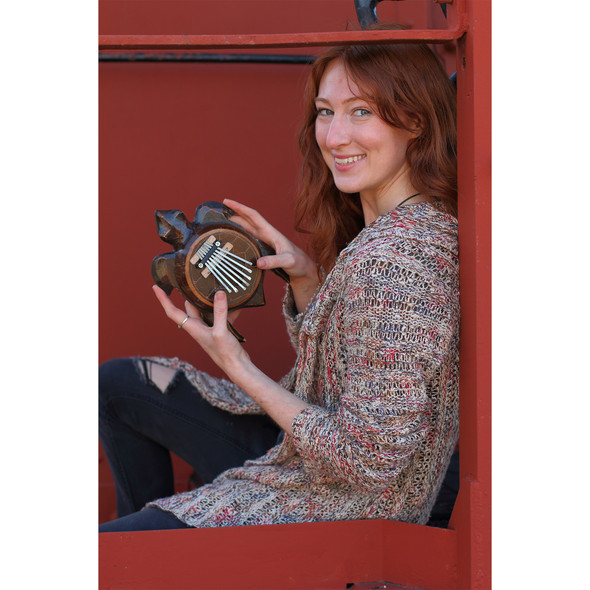
Sea Turtle Kalimba Thumb Piano Karimba Mbira
X8 Drums
MSRP: $31.00$12.56Create the relaxing music that beckons the fresh air and joy of the Caribbean. To play, simply hold the instrument in both hands and pluck the keys with your thumbs. Each instrument ships with an...X8-KLB-TRTLMSRP: $31.00$12.56 -
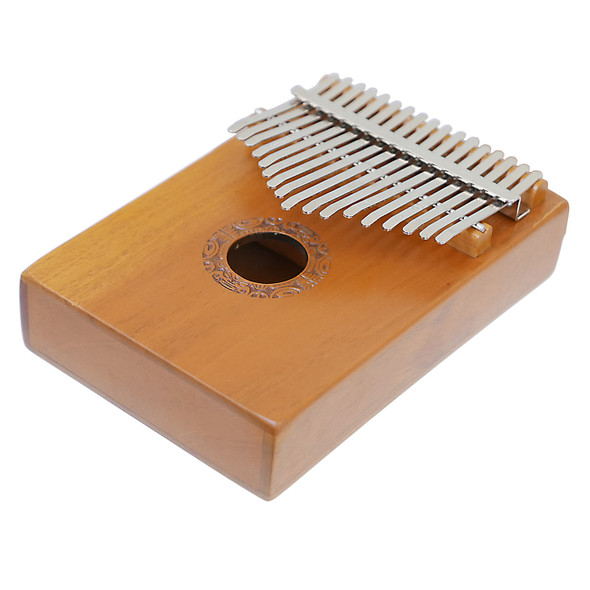

X8 Drums X8-KLB-17 Kalimba Thumb Piano, 17 Keys
X8 Drums
MSRP: $126.00$52.9917-key Kalimba thumb piano, mahogany wood The thumb piano originates in Africa. It is also known as the mbira or likembe. The metal keys are mounted on a wooden box that acts as the resonating...X8-KLB-17MSRP: $126.00$52.99 -
img:bogo-card-94x46.png
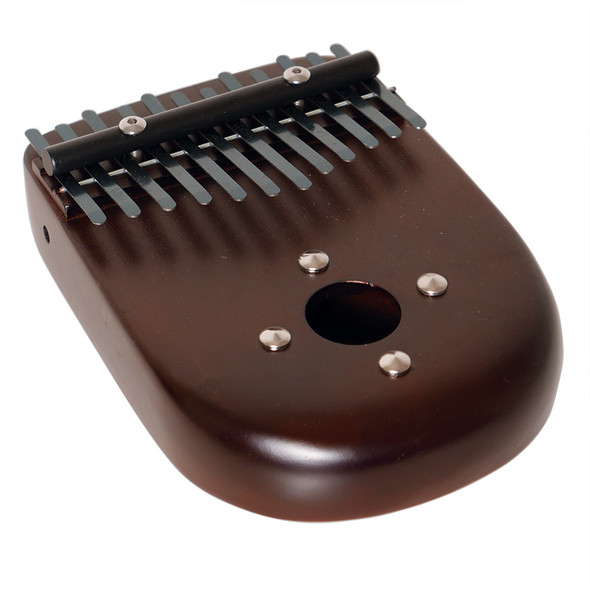

Kalimba Thumb Piano, 12 Keys, Rounded Edge
X8 Drums
MSRP: $77.00$31.99Kalimba thumb piano, with wood soundboard. There are 12 steel keys and measures 7.5" L x 5" W x 2.3" H The thumb piano originates in Africa. It is also known as the mbira or likembe. The metal keys...X8-KLB-12-RD-NTMSRP: $77.00$31.99 -
img:bogo-card-94x46.png


Thumb Piano Gecko Kalimba, Coconut Shell w/ Egg Shakers
X8 Drums
MSRP: $34.00$14.06X8 Drums Coconut Kalimba Thumb Piano with Wooden Egg Shakers Experience the soothing, melodic tones of tX8-CT-KLBMSRP: $34.00$14.06 -
img:bogo-card-94x46.png
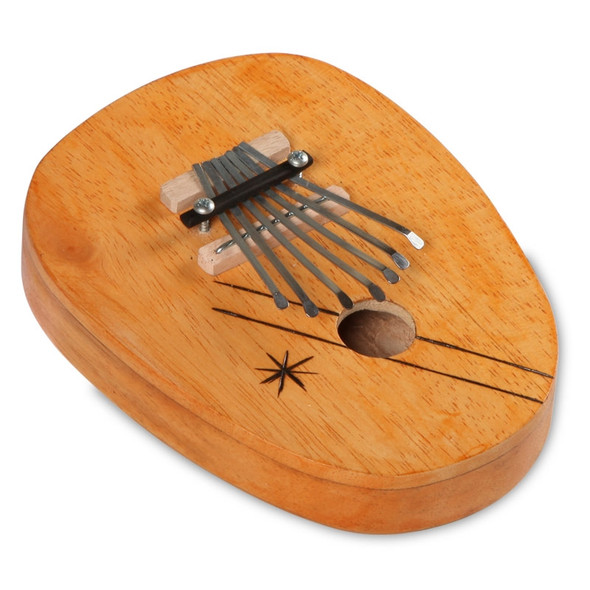
Star Kalimba Thumb Piano
X8 Drums
MSRP: $45.00$18.99The traditional hardwood kalimba is big enough for accenting your favorite music, but small enough to take along when you travel. It's made from durable, renewable hardwood with seven tunable steel...X8-WD-KLBMSRP: $45.00$18.99 -

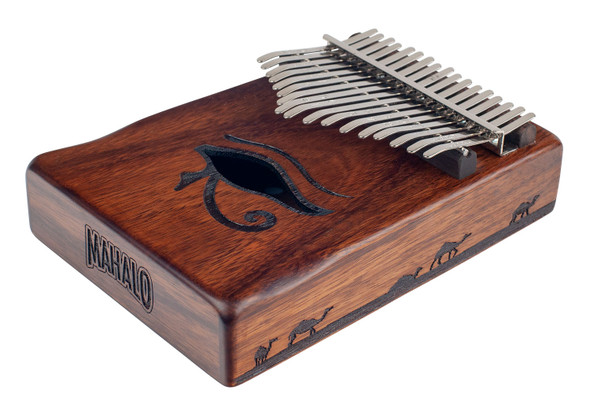
Mahalo 17-Key Kalimba Pharaoh MKA17TD
Mahalo Ukuleles
$54.99The Kalimba has a rich musical history stretching back some 3,000 years to the Shona people of Zimbabwe, Southern Africa. A close relation to the ancient Mbira, the Kalimba has been an important part...MKA17PH-U$54.99 -


Mahalo 17-Key Kalimba Traditional MKA17TD
Mahalo Ukuleles
$54.99The Kalimba has a rich musical history stretching back some 3,000 years to the Shona people of Zimbabwe, Southern Africa. A close relation to the ancient Mbira, the Kalimba has been an important part...MKA17TD-U$54.99 -


Mahalo 17-Key Kalimba Hibiscus MKA17HB
Mahalo Ukuleles
$54.99The Kalimba has a rich musical history stretching back some 3,000 years to the Shona people of Zimbabwe, Southern Africa. A close relation to the ancient Mbira, the Kalimba has been an important part...MKA17HB-U$54.99 -


Mahalo 17-Key Kalimba Flame Koa MKA17KA
Mahalo Ukuleles
$54.99The Kalimba has a rich musical history stretching back some 3,000 years to the Shona people of Zimbabwe, Southern Africa. A close relation to the ancient Mbira, the Kalimba has been an important part...MKA17KA-U$54.99 -


Mahalo 17-Key Kalimba Tropical MKA17TR
Mahalo Ukuleles
$54.99The Kalimba has a rich musical history stretching back some 3,000 years to the Shona people of Zimbabwe, Southern Africa. A close relation to the ancient Mbira, the Kalimba has been an important part...MKA17TR-U$54.99 -


Mahalo 17-Key Kalimba Zebra MKA17ZE
Mahalo Ukuleles
$54.99The Kalimba has a rich musical history stretching back some 3,000 years to the Shona people of Zimbabwe, Southern Africa. A close relation to the ancient Mbira, the Kalimba has been an important part...MKA17ZE-U$54.99 -

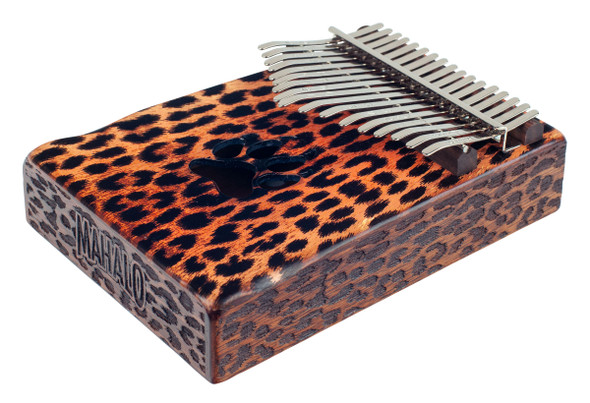
Mahalo 17-Key Kalimba Cheetah MKA17CH
Mahalo Ukuleles
$54.99The Kalimba has a rich musical history stretching back some 3,000 years to the Shona people of Zimbabwe, Southern Africa. A close relation to the ancient Mbira, the Kalimba has been an important part...MKA17CH-U$54.99 -


Kalimba Thumb Piano, Large 17 Keys
DOBANI
MSRP: $53.90$52.01Sheesham thumb piano, 5" x 7", 17 steel keys and two vibrato holes on the back.The thumb piano originates in Africa. It is also known as the mbira, kalimba or likembe. The metal keys are mounted on a...THMPMSRP: $53.90$52.01 -
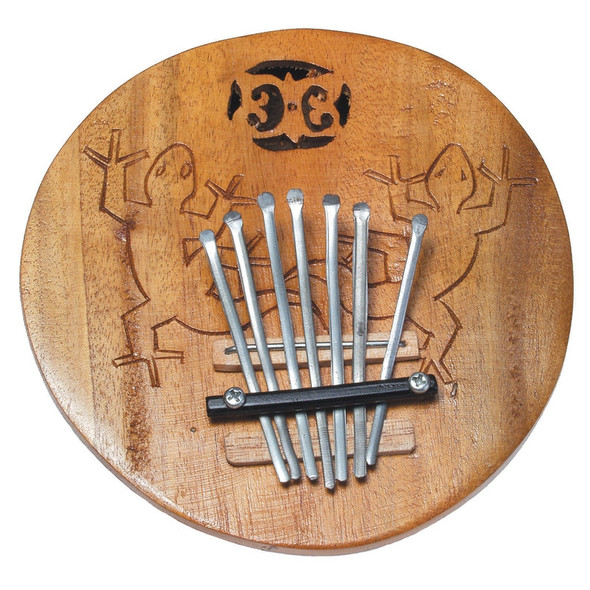
Toca Coconut Kalimba
Toca Percussion
$29.50The Toca Coconut Kalimba is made of a coconut shell with a wooden faceplate. Features 7 keys and a unique Toca gecko design. Tune the keys by tightening the screws.T-CK$29.50 -
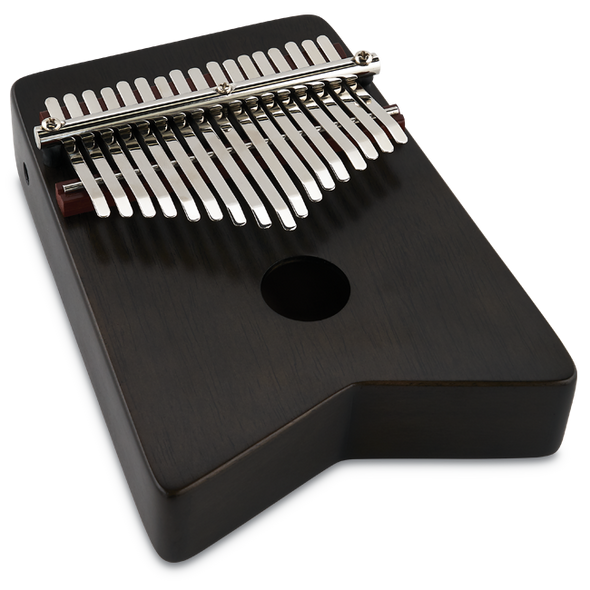

LP LP0217DC 17-Key Pentatonic Kalimba - Deep Cherry
Latin Percussion
$110.99Sometimes referred to as a Mbira or thumb piano, LP’s Kalimba is patterned after traditional African versions and features a chambered Siam Oak body that fits comfortably in your hands. Chrome-pLP0217DC$110.99 -

DOBANI Thumb Piano Keys 17-Pack
DOBANI
MSRP: $19.90$19.20Thumb Piano Replacement Keys, 17 pcs. There are 17 metal keys; approximately 2.72 inches (69 mm), 2.8 inches (71 mm), 2.83 inches (72 mm), 2.95 inches (75 mm), 2.99 inches (76 mm), 3.03 inches (77...THMP-KEY17MSRP: $19.90$19.20 -
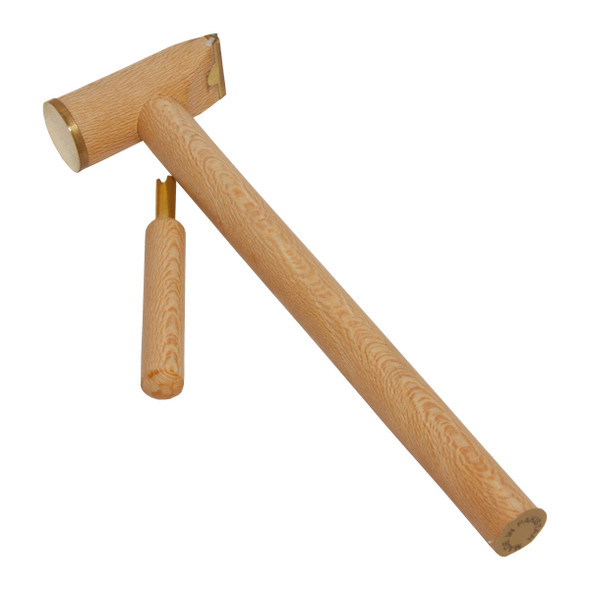
DOBANI Hammer & Tuner for the Kalimba - Lacewood
DOBANI
MSRP: $27.90$24.41The solid lacewood tuner has a, notched, brass end to fit over the keys of the kalimba. The solid lacewood hammer has a brass head to tap the tuner. This set makes tuning your Kalimba as easy as...KLHTLMSRP: $27.90$24.41 -

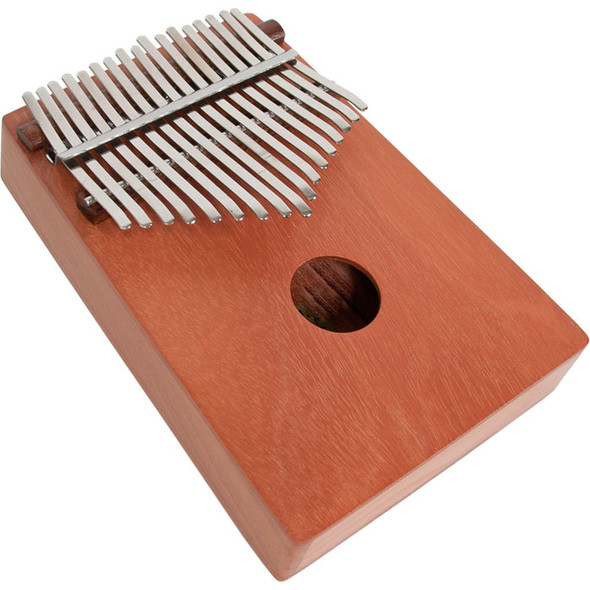
DOBANI 17-Key Thumb Piano w/ Spruce Top - Red Cedar
DOBANI
MSRP: $43.90$42.36Red cedar thumb piano, with solid spruce soundboard. There are 17 steel keys and two vibrato holes on the back. 5" x 7"The thumb piano originates in Africa. It is also known as the mbira, kalimba or...THMPRC-SBSMSRP: $43.90$42.36 -
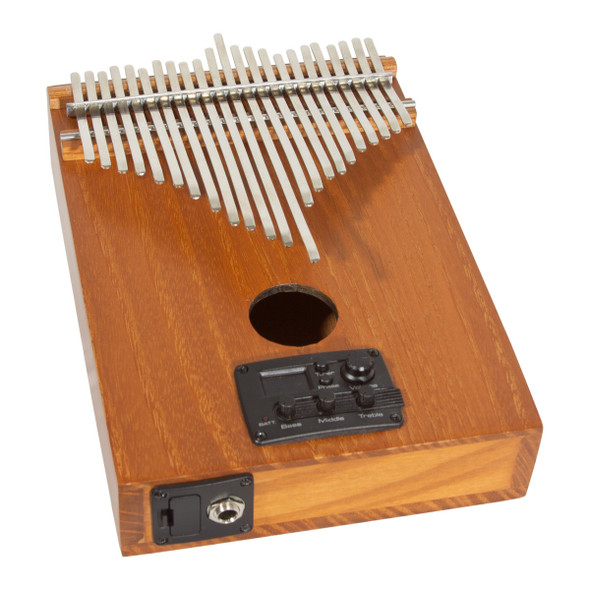

Kevin Spears Pro Kalimba 23-Key with EQ - Red Cedar - Natural Finish
Kevin Spears
MSRP: $199.90$177.51Known for his ability to play melody, bass and rhythm simultaneously, Kevin Spears through his unique fusion of folk, world, rock and electronic music has created the Kevin Spears Pro Kalimba to meet...KLKSLMSRP: $199.90$177.51 -
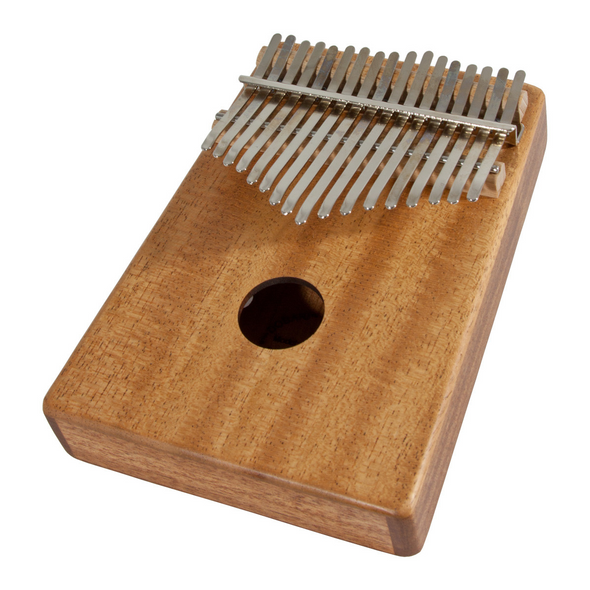
DOBANI 17-Key Kalimba - Mahogany
DOBANI
MSRP: $59.90$57.80Cool clear tones reflecting nature's energy and rhythms. Whether you are a beginner musician or a professional musician, this is the instrument for you!Mahogany thumb piano, 4.9" x 6.9", 17 steel...KL17MHMSRP: $59.90$57.80 -
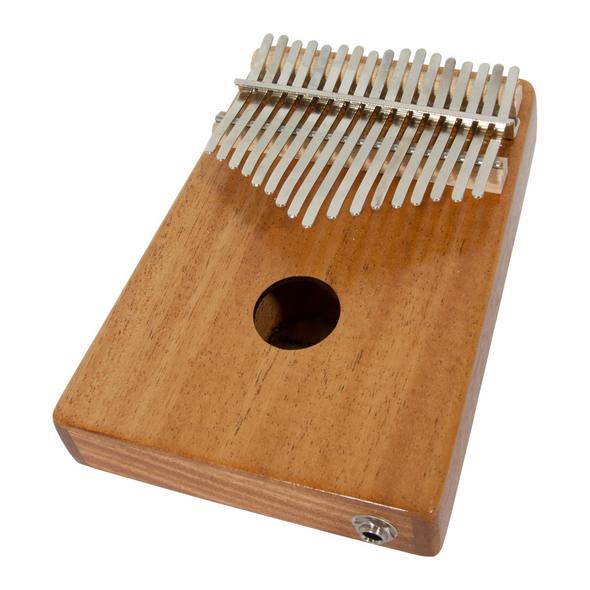 MSRP: $99.90$96.39
 -
img:bogo-card-94x46.png

Hand-painted Kalimba Thumb Piano Karimba Mbira
X8 Drums
MSRP: $34.00$14.06This Kalimba thumb piano is made of a coconut shell with a hand-painted wooden faceplate and features 7 keys that produce different tones. This thumb piano may be tuned to change the sound by...X8-CT-KLB-PTMSRP: $34.00$14.06 -
 MSRP: $43.90$42.36
 -
 MSRP: $7.90$6.94
 -
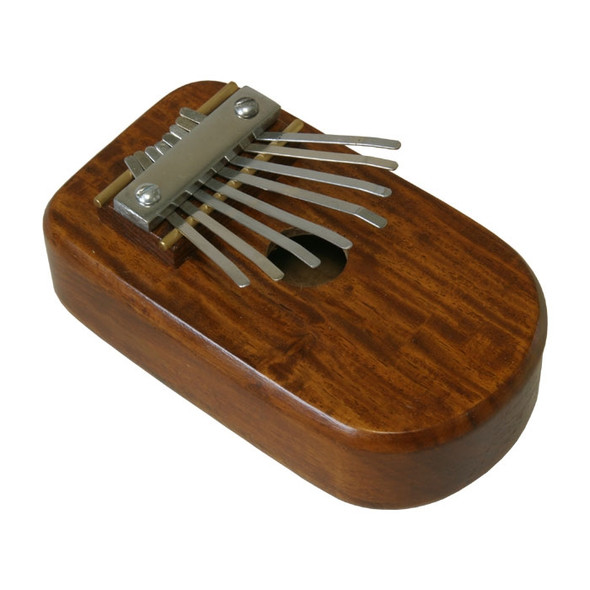
Rosewood Kalimba Thumb Piano
DOBANI
MSRP: $39.90$38.49This Kalimba is constructed of Rosewood with 8 steel keys. Dimensions are 3" x 5". The thumb piano originates in Africa. It is also known as the mbira or likembe. The metal keys are mounted on a...THMSMSRP: $39.90$38.49 -
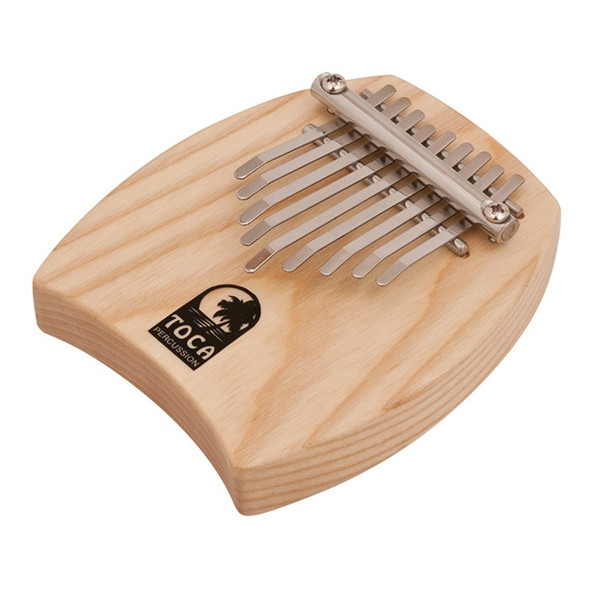
Toca Tocalimba Thumb Piano, Small, Ash Wood
Toca Percussion
MSRP: $108.00$69.99Note: This item requires additional processing time, typically 3-4 business days. Watch Video Demonstration of the Tocalimba Thumb Piano, Small Toca Tocalimba Thumb Piano, Small, AshT-THPSMSRP: $108.00$69.99 -

Toca Tocalimba Thumb Piano, Large, Siam Oak
Toca Percussion
MSRP: $150.00$109.99Watch Video Demonstration of the Tocalimba Thumb Piano, Large Toca Tocalimba Thumb Piano, Large, Siam Oak Made of Asian oak with a walnut matte finish Hollow body, sound chamberT-THPLMSRP: $150.00$109.99 -


DOBANI 17-KEY THUMB PIANO W/ ROUNDED BACK - RED CEDAR
DOBANI
MSRP: $56.90$54.90Red cedar and lacewood thumb piano, 5" x 7", 17 steel keys and two vibrato holes on the back. It has a rounded back.The thumb piano originates in Africa. It is also known as the mbira, kalimba or...THMRCMSRP: $56.90$54.90 -

Kalimba Thumb Piano, Large with Rounded Back
DOBANI
MSRP: $56.90$54.90Rosewood and Lacewood thumb piano, 5" x 7", 17 steel keys and two vibrato holes on the back. It has a rounded back.The thumb piano originates in Africa. It is also known as the mbira or likembe. The...THMRMSRP: $56.90$54.90