
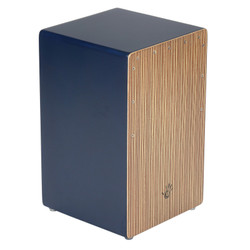
Cajons
A Cajon (pronounced 'ka.HONE') is a kind of box drum played by slapping the front face with the hands.
The modern Cajon is often used to accompany the acoustic guitar and is showing up on worldwide stages in contemporary music.
Cajons are beginning to gain popularity as recognized musicians such as Fleetwood Mac, The Dixie Chicks, Nada Surf, Los Lobos, Jennifer Lopez, Ben Harper, Anastacia, and Alejandro Sanz with Destiny’s Child have all recently featured the Cajon either on stage or television.
- Product
- Qty in Cart
- Quantity
- Price
- Subtotal
-
img:includes-free-bag3.png


X8 Drums Booming Bass Snare Cajon, Ebony
X8 Drums
$169.99The new X8 Drums Booming Bass Snare Cajon features a full teak wood veneer body, ebony faceplate and solid mahogany corner joints. The patented bass port is designed to deliver a rich, deep and resonant tone. The ebony playing surface produces crisp...X8-CJ-HL-EB$169.99 -
Out of stock. Contact Customer Support to request ETA.On Sale
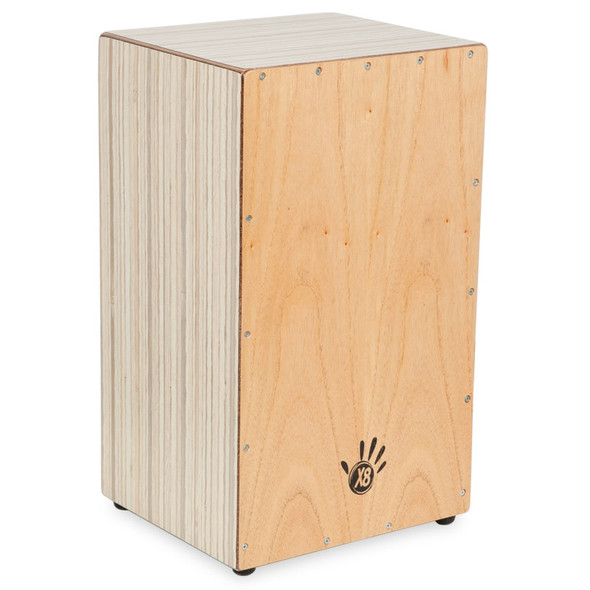
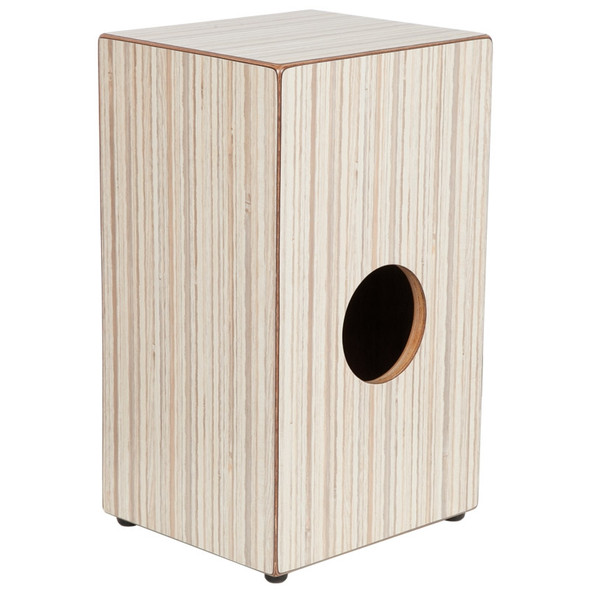
X8 Viatera Cajon
X8 Drums
MSRP: $279.00Now: $89.99Was: $116.25This exotic box is handcrafted with Asian oak and a Sungkai wood faceplate for wide-ranging, full-bodied tones and added versatility. The vertically-attached guitar strings give your beats just the right amount of crackle, perfectly complementing the...X8-CJ-VIA-WTEMSRP: $279.00Now: $89.99Was: $116.25Qty in Cart: 0Quantity:Price:MSRP: $279.00Now: $89.99Was: $116.25Subtotal: -
img:includes-free-bag3.png


X8 Drums Introspection Cajon
X8 Drums
MSRP: $324.00$119.99The Introspection Cajon from X8 Drums features a unique inverted, brooding design reinforced with a built-in patented bass port that delivers deep bass tones. The fixed snare provides an array of percussive sounds with plenty of crackle that nicely...X8-CJ-INTSMSRP: $324.00$119.99 -
Out of stock. Contact Customer Support to request ETA.

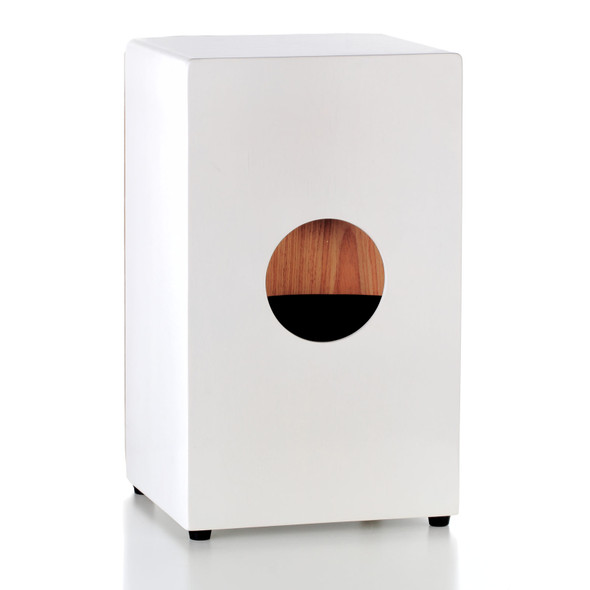
X8 Drums Cirrus Cajon Drum
X8 Drums
MSRP: $279.00$116.25The X8 Cirrus Cajon resonance box is made from premium selected exotic Asian oak while the faceplate is fitted with legally certified Sungkai wood. Features The X8 Cirrus Cajon takes its name from the light, natural stained frontplate and white...X8-CJ-CIRSMSRP: $279.00$116.25Qty in Cart: 0Quantity:Price:MSRP: $279.00$116.25Subtotal: -
img:includes-free-bag3.png
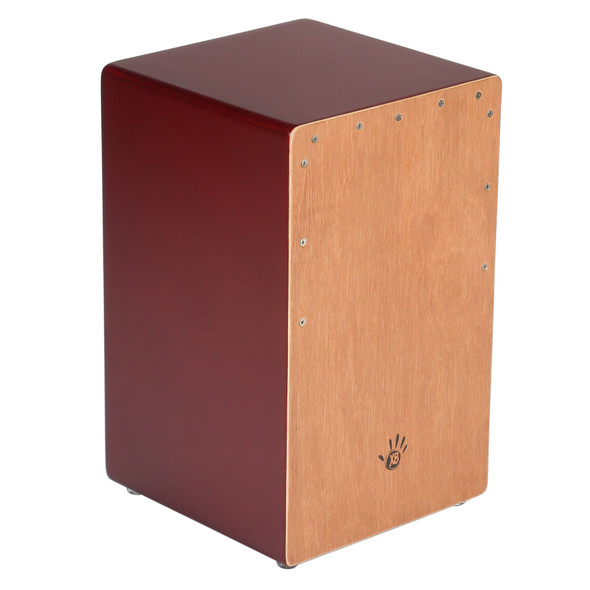

X8 Drums Earthtone Cajon, Merlot
X8 Drums
$135.99The X8 Drums Earthtone Cajon features a solid MDF drum body, patented bass port that and unique playing surfaces. This drum produces high quality tones, slaps and bass projection at an entry level price. The durable MDF body has greater...X8-CJ-END-MER$135.99 -
img:includes-free-bag3.png
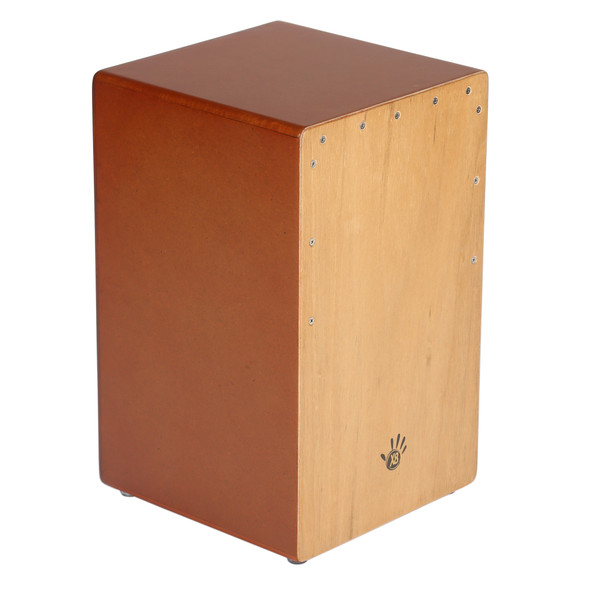

X8 Drums Earthtone Cajon, Amber
X8 Drums
MSRP: $324.00$135.00The X8 Drums Earthtone Cajon features a solid MDF drum body, patented bass port that and unique playing surfaces. This drum produces high quality tones, slaps and bass projection at an entry level price. The durable MDF body has greater...X8-CJ-END-AMBMSRP: $324.00$135.00 -
img:includes-free-bag3.png


X8 Drums Earthtone Cajon, Blue
X8 Drums
MSRP: $324.00$135.00The X8 Drums Earthtone Cajon features a solid MDF drum body, patented bass port that and unique playing surfaces. This drum produces high quality tones, slaps and bass projection at an entry level price. The durable MDF body has greater density...X8-CJ-END-BLMSRP: $324.00$135.00 -
img:includes-free-bag3.png


X8 Drums Explorer Series Flamenco Cajon
X8 Drums
MSRP: $324.00$135.00The X8 Drums Explorer Series Dark Walnut Cajon with a stained Teak Wood frontplate and dark oak stained resonating body delivers classic Cajon sounds and effect at a great price. A cajon is often used to replace full drum sets in unplugged performances...X8-CJ-TKMSRP: $324.00$135.00 -
img:includes-free-bag3.png
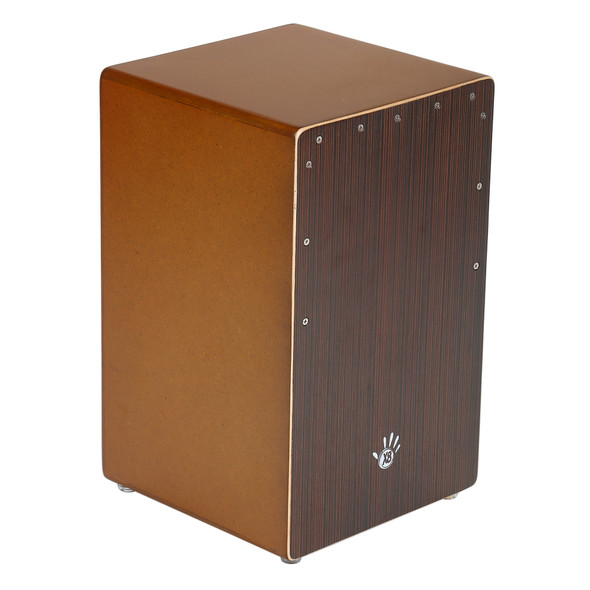

X8 Drums Earthtone Cajon, Java
X8 Drums
$135.99The X8 Drums Earthtone Cajon features a solid MDF drum body, patented bass port that and unique playing surfaces. This drum produces high quality tones, slaps and bass projection at an entry level price. The durable MDF body has greater...X8-CJ-END-JAV$135.99 -
Out of stock. Contact Customer Support to request ETA.
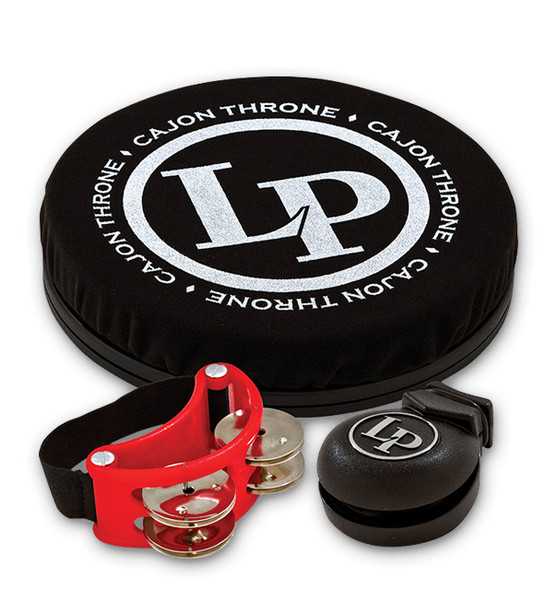
LP Cajon Accessory Pack
MSRP: $61.99$48.82LP's taken their three most popular cajon accessories - the Cajon Throne, Foot Tambourine and Small Cajon Castanet, and packaged them into one kit. Accessory Pack includes: LP1445 Cajon Swivel Seat, LP188 Foot tambourine, LP433 Small Cajon...LP-CP1MSRP: $61.99$48.82Qty in Cart: 0Quantity:Price:MSRP: $61.99$48.82Subtotal: -

Vater Retractable Wire Brush
$50.82Sturdy pull-rod with round end. Wide range of brush spread adjustment.VWTR$50.82 -
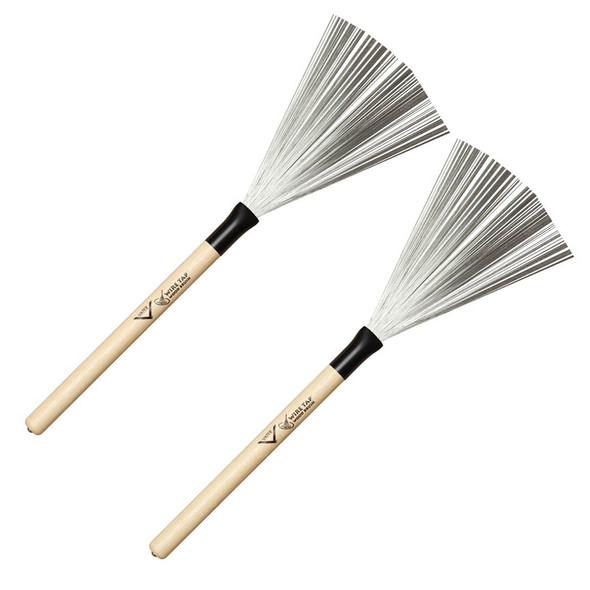
Vater Wooden Handle Wire Brush
$50.82Non-retractable wire brush with 5A sized wooden grip. Features a metal rivet at butt end for cymbal scrapes.VWTW$50.82 -

Vater Poly Flex Brush
$50.82The non-retractable Poly bristles produce a warm, mellow sound on both drums & cymbals. 5A style wood grip.VPFLX$50.82 -
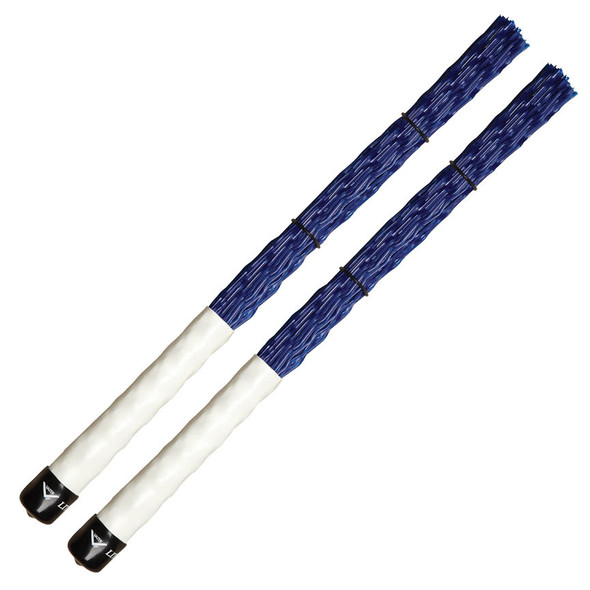
Vater Little Monster Specialty Stick
$50.82Ear protection for all musicians. Includes two filter styles for different levels of hearing protection. Also includes metal container for safe storing when not in use.VBLM$50.82 -

Vater Monster Wood Speciality Stick
$107.68Features the same nylon bristles as in the Monster Brush and Little Monster, just placed in a traditional brush arrangement. The bristles give a funky and textured “swish” sound and great backbeat accents. The wood handle grip is a 5A sized...VBMW$107.68 -
On Saleimg:includes-free-bag3.png


Flamenco Crate Cajon, Mahogany Stain
X8 Drums
Now: $99.99Was: $156.79The X8 Flamenco Cajon design pays homage to the very first box drums that were simply shipping crates that were played by laborers during down time. The cajon resonance box is made from premium selected exotic Asian oak with crate bars along the sides...X8-CJ-FLM-RWNow: $99.99Was: $156.79 -
Out of stock. Contact Customer Support to request ETA.
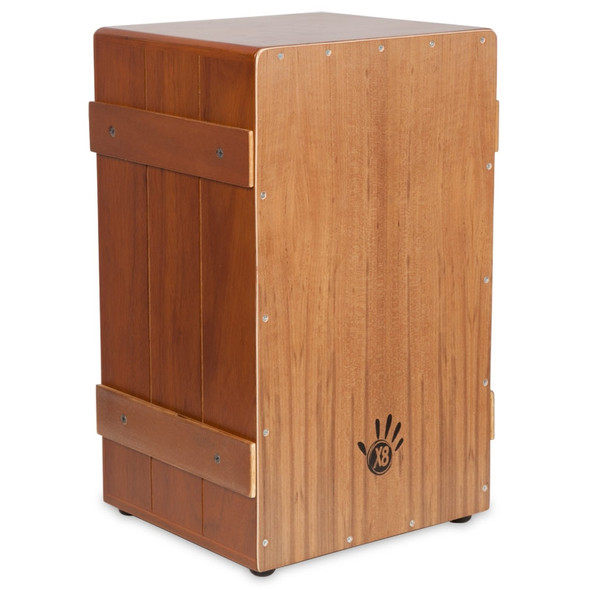
X8 Flamenco Crate Cajon, Natural
X8 Drums
MSRP: $229.00$156.79The very popular X8 Flamenco Crate cajon is now available in a natural wood finish! The X8 Flamenco Cajon design pays homage to the very first box drums that were simply shipping crates that were played by laborers during down time. The cajon resonance...X8-CJ-FLM-AWMSRP: $229.00$156.79Qty in Cart: 0Quantity:Price:MSRP: $229.00$156.79Subtotal: -


Toca Wood Cajon, Bordeaux
Toca Percussion
Brand new Burl Oak Cajon from Toca Percussion. Larger than standard size cajons, the Toca Burl Oak Cajon measures 12.5"W x 20.5"H x 13"D. The new Toca Cajon is constructed from premium materials that form a perfect resonating chamber. High-frequency...TCAJ-BBQty in Cart: 0Quantity:Price:Subtotal: -

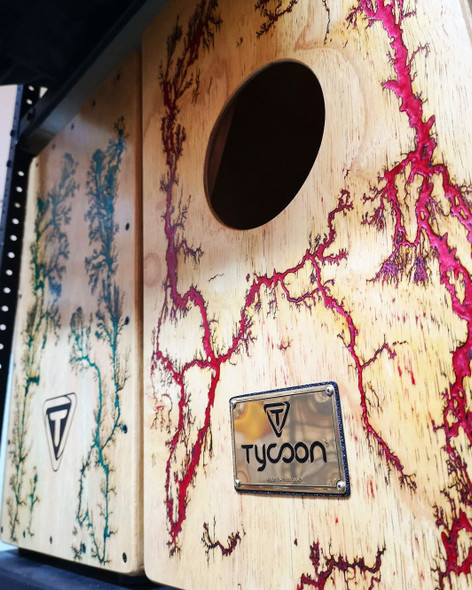
Tycoon Supremo Select Crimson Willow Series Cajon
Tycoon Percussion
$199.79The Willow Series is the latest addition to Tycoon's popular Supremo Select Series lineup of congas, bongos, djembes and cajons. The Supremo Select Willow Series Cajon features a body and front plate constructed from sustainably-harvested Siam Oak Wood...STKS-29 CWI$199.79 -


Tycoon Supremo Select Jade Willow Series Cajon
Tycoon Percussion
$199.79The Willow Series is the latest addition to Tycoon's popular Supremo Select Series lineup of congas, bongos, djembes and cajons. The Supremo Select Willow Series Cajon features a body and front plate constructed from sustainably-harvested Siam Oak Wood...STKS-29 JWI$199.79 -
Out of stock. Contact Customer Support to request ETA.


Tycoon Supremo Sunburst Series Cajon
Tycoon Percussion
$166.49• Body constructed using hand-selected Siam Oak Wood, with a high-grade Agathis Kryssfaner front plate• Hand-made and individually tested to ensure superior sound quality• Produces deep, loud bass tones and high, sharp slap notes•...STK-29 SB$166.49Qty in Cart: 0Quantity:Price:$166.49Subtotal: -

Tycoon Supremo Select Willow Series Cajon
Tycoon Percussion
$177.59The Willow Series is the latest addition to Tycoon's popular Supremo Select Series lineup of congas, bongos, djembes and cajons. The Supremo Select Willow Series Cajon features a body and front plate constructed from sustainably-harvested Siam Oak Wood...STKS-29 WI$177.59 -
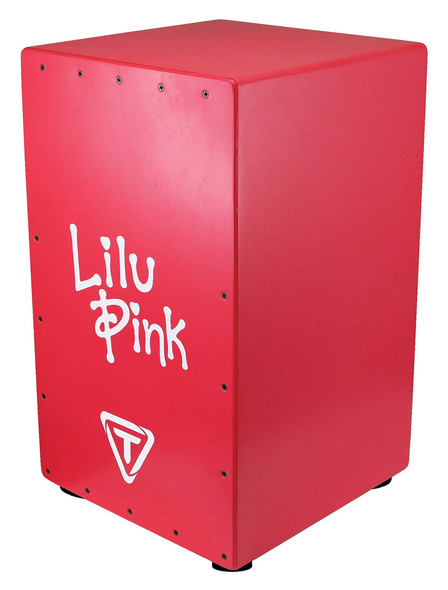
Tycoon Lilu Pink Signature Series Cajon
Tycoon Percussion
$205.35The Tycoon Lilu Pink Signature Series Cajon was designed in collaboration with master percussionist Lilu Vilera.Constructed of a variety of quality woods from around the world.Individually hand-made and tested to ensure superior sound quality.Deep, loud...TK-29LL$205.35 -

Tycoon 29 Supremo Select Twilight Series Cajon
Tycoon Percussion
$177.59Individually hand-made and tested to ensure superior sound quality, this cajon features a front plate where the color fades from light to dark. It has adjustable snare wires and includes an Allen wrench. Our Tycoon Percussion Cajons are carefully...STKS-29TW$177.59 -
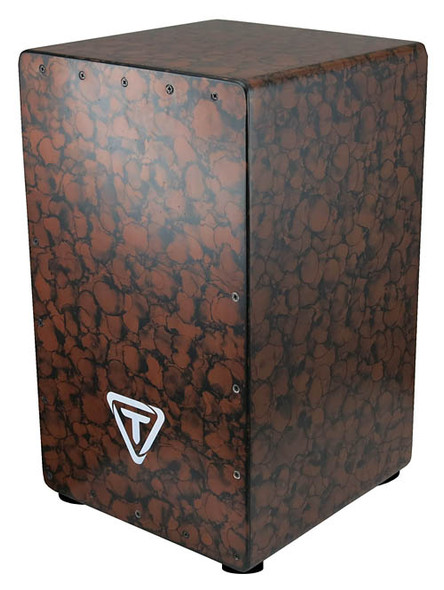
Tycoon 29 Series Marble Cajon
Tycoon Percussion
$166.49Constructed of excellent-sounding, durable hardwood, this cajon produces deep, loud bass tones and sharp, high slaps. It is individually handmade and tested to ensure superior sound quality. The snare wires are adjustable with the supplied allen wrench...STK-29 MA$166.49 -


Tycoon 2nd Generation 29 Series Crate Cajon
Tycoon Percussion
$277.49Crafted from environmentally-friendly Siam oak wood, this cajon was created to complement Tycoon's hugely popular original Crate Cajon, with unique designs applied to resemble an old wooden crate. It is equipped with a non-adjustable drum snare affixed...TK2GCT-29$277.49 -

Tycoon Crate Cajon 29 cm
Tycoon Percussion
$260.84The Tycoon Crate Cajon is designed as a tribute to the roots of this instrument, which originated from African slaves in Peru using old wooden crates with which to play musical rhythms on as a means of expressing themselves musically. PRODUCT FEATURES...TKCT-29$260.84 -
Out of stock. Contact Customer Support to request ETA.

LP Groove Cajon
MSRP: $307.99$244.15The LP American Series Groove Cajon is an all-American percussion instrument made from hand-selected, 9-ply, plantation-grown Baltic birch. It is the perfect Cajon for the beginner or intermediate percussionist looking for a solid balance of price,...LP1427MSRP: $307.99$244.15Qty in Cart: 0Quantity:Price:MSRP: $307.99$244.15Subtotal: -

Triple Conga Cajon with Stand
Toca Percussion
MSRP: $464.00$349.99Get the range of a tumba, conga and quinto all in one drum! This Toca Triple Conga Cajon is a bold step forward in the percussion world blending the very popular cajon style drum with the traditional tones of conga drums. Features: 14" Diameter playing...T-TCCMSRP: $464.00$349.99 -
Out of stock. Contact Customer Support to request ETA.

Toca Colorsound Cajon, Green
Toca Percussion
MSRP: $209.00$149.99Economically priced, all wood cajon is the perfect choice for beginners. All wood constructionPara wood front plateTwo internal snare wires for crisp sound17" H x 11" W x 11" DTCCJ-GNMSRP: $209.00$149.99Qty in Cart: 0Quantity:Price:MSRP: $209.00$149.99Subtotal: -

Tycoon Clear Acrylic Cajon, Black Makah Burl Front Plate
Tycoon Percussion
$616.04An interesting twist on the classic cajon, this clear-bodied acrylic box can make noises you've never heard before. The sound features a deep, booming bass and sharp high-note slaps that are complimented by the rhythmic buzz of adjustable snare wires...TKX-29$616.04Qty in Cart: 0Quantity:Price:$616.04Subtotal: -


Toca TCAJWH-M Workhorse Cajon, Mahogany Finish
Toca Percussion
MSRP: $161.00$109.99Solid, dependable, and durable. Toca Workhorse cajons get the job done with a surprising touch of grace. Sturdy MDF body has greater density & less give than plywood. Its construction, paired with Toca's bass reflex design, yields a refined timbre...TCAJWH-MMSRP: $161.00$109.99 -


Toca Workhorse Cajon, Dark Walnut
Toca Percussion
MSRP: $162.00$109.99Solid, dependable, and durable. Toca Workhorse cajons get the job done with a surprising touch of grace. Sturdy MDF body has greater density & less give than plywood. Its construction, paired with Toca's bass reflex design, yields a refined timbre...TCAJWH-DWMSRP: $162.00$109.99 -
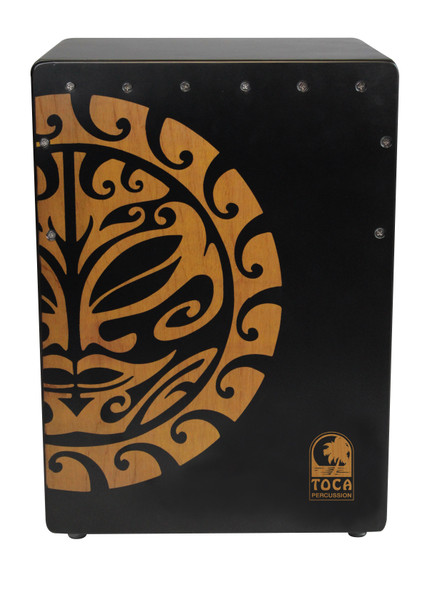

Toca Extended Range Cajon - Tiger Mask
Toca Percussion
MSRP: $258.00$169.99The larger dimensions of this cajon offers a bigger tonal spectrum and broader dynamic range than a standard sized cajon. Bass response is even further enhanced & extended by Toca's bass reflex design. Flamenco-style snares are adjustable. 19.5" x...TCAJER-TMMSRP: $258.00$169.99 -

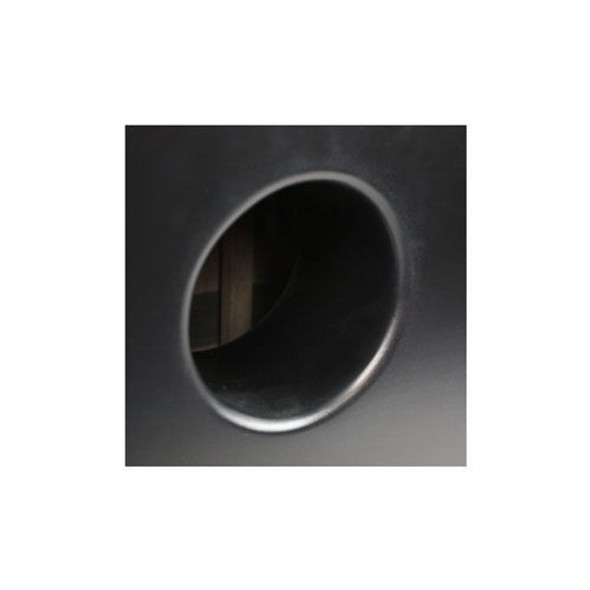
Toca Extended Range Cajon - Toca Logo
Toca Percussion
MSRP: $250.00$167.03This cajon has larger dimensions, offering a broad tonal spectrum and dynamic range. The patented bass reflex design produces enhanced bass response. This model is equipped with Adjustable Flamenco-style snares and finished with an Eye-catching Toca Logo...TCAJER-TLMSRP: $250.00$167.03 -


Toca Corner Accent Bass Reflex Cajon
Toca Percussion
MSRP: $237.00$159.99A new joinery technique yields this attractive, sturdy flamenco cajon. Made from plywood with adjustable flamenco-style snares and bass reflex system. This cajon sounds as good as it looks! Features Joinery techniqueMade from plywoodAdjustable...TCAJCA-MMSRP: $237.00$159.99 -
Out of stock. Contact Customer Support to request ETA.


Toca Flamenco Cajon - Mahogany Bass Reflex
Toca Percussion
MSRP: $201.00$129.99A marriage of two great traditions - Spanish Flamenco and African-Peruvian music. This cajon reflects the elegant simplicity of the fixed-snare flamenco cajon. Fixed SnareTCAJF-MMSRP: $201.00$129.99Qty in Cart: 0Quantity:Price:MSRP: $201.00$129.99Subtotal: -
Out of stock. Contact Customer Support to request ETA.

Toca Colorsound Cajon, Pink
Toca Percussion
MSRP: $209.00$136.49Economically priced, all wood cajon is the perfect choice for beginners. All wood constructionPara wood front plateTwo internal snare wires for crisp sound17" H x 11" W x 11" DTCCJ-PKMSRP: $209.00$136.49Qty in Cart: 0Quantity:Price:MSRP: $209.00$136.49Subtotal: -
Out of stock. Contact Customer Support to request ETA.

Toca Colorsound Cajon, Blue
Toca Percussion
MSRP: $209.00$149.99Economically priced, all wood cajon is the perfect choice for beginners. All wood constructionPara wood front plateTwo internal snare wires for crisp sound17" H x 11" W x 11" DTCCJ-BLMSRP: $209.00$149.99Qty in Cart: 0Quantity:Price:MSRP: $209.00$149.99Subtotal: -

LP Soul Cajon By Mario Cortes
Latin Percussion
Classic Yet Contemporary: The LP Soul Cajon By Mario Cortés The cajon has rapidly become the go-to choice for percussionists seeking a full range of tonalities and expressiveness within a single instrument. Under the hands of a skilled player a...LP1430Qty in Cart: 0Quantity:Price:Subtotal: